44 private labels vs brands
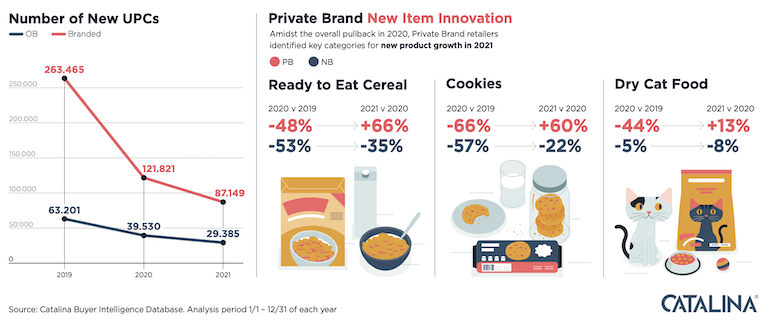
Private Label VS Brands: How To Make The Most Of Both 3. Across all price points Retailers can carefully use their branded and own label offers to cover all prices and bases in any given category. Whilst a brand might have a more premium, aspirational appeal, it leaves room for lower and medium priced, quality own label brands to sit just below them on the pricing ladder. 4. Less is more Private Label vs. National Brands | Catalina Private Label vs. National Brands | Catalina. Shopper Insight. Private Brands Outpacing National Brands on New Products; Price Gap Decreases in 2021. Catalina looks at retailer Private Brands' new product strategy during the pandemic and compares it with Name Brands investment in key categories.
Brands Versus Private Labels: Fighting to Win - Harvard Business Review In fact, a 1994 DDB Needham survey indicates that 60 % of consumers still agree that they prefer the comfort, security, and value of a national brand over a private label. Although this...

Private labels vs brands
The battle for brands in a world of private labels Furthermore, Costco Wholesale Corporation, a U.S.-based warehouse club operator, has blurred the line between national brands and private labels using premium offerings and co-branding strategies with the likes of Starbucks, Quaker Oats and Tyson. 11 Surprisingly, both consumer product and retail executives tend to believe that co-branding ... Private Label : Definition, Example, Pros & Cons | Retail Dogma The main difference between private label vs white label lies in the product development. If you have developed the product yourself, even if it resembles other products, but you have added some additional functionality or different design elements, this is private label. Private Label vs Co Branded Credit Cards: What Is The Difference? A Co-branded credit card is a credit card that a retailer issues within a specific network. Unlike a private label credit card that can only be used by one retailer consumer, you can use the co-branded credit card at any location as long as they're within the network of affiliates. Therefore, users can use the co-branded credit card to earn ...
Private labels vs brands. What is Private Label Branding: A Beginner's Guide Private label allows you to outsource the manufacturing of products to a company then purchase the rights for selling them. You may have purchased private label products before in supermarkets. Private label brands make up 15% of supermarket sales. And while it seems like a small figure, there is foreseeable growth to niche private label brands. Private Label vs Branded Products: 6 Insights You Can Use - TraQline Consistent branding and well-thought-out marketing are what underlie branded success - and will, therefore, be central for private label brands as well. TraQline helps you inform your marketing strategy with consumer insights, behaviors, and trends. This customer insight will help you build your brand and reach your target market. Brands versus private labels: Fighting to win | Bain & Company On one hand, manufacturers are right to be concerned: There are more private labels - "store-brand" goods - on the market than ever before. Collectively, private labels in the United States command higher unit shares than the strongest national brand in 77 of 250 supermarket product categories. Private Label Brands 2022 - Insider Intelligence Private label brands have taken on increasing importance in retailers' arsenals on the heels of positive consumer sentiment. This report looks at how retailers can use store brands to bolster their product assortment and thus increase their margins. Topics Retail Sales United States Executive Summary
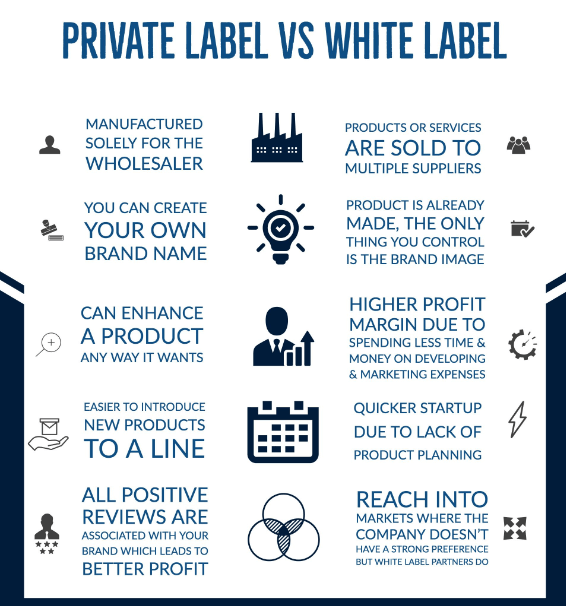
Private Brand Definition - Investopedia Also referred to as "private label" or " store brand ," prices for private brands tend to be less than those of nationally recognized name brand goods. Private brand items can provide... SurveyMonkey Market Research: Private Labels vs. Name Brands Most (75%) believe that private labels are "sometimes" similar or better in quality than name brands, at lower prices. The vast majority of consumers say name-brand products are "sometimes" (69%) or "always" (14%) higher-quality than private label products; just 13% say they are "rarely" and 2% say they are "never" of higher ... White Label vs Private Label | What Is Private Label? - BlueCart When it comes to white label vs private label, note that private labeling is different from white labeling. Private labeling is when a product line is sold exclusively through one retailer, like AmazonBasics. White labeling is the process of selling a generic product to multiple retailers, who brand and price the product for their target market. Brands vs Private Labels — Stone Candles Since private-label products do not necessarily have a "name" or brand, they are significantly cheaper than branded products. Aside from that, most private label products also have a wider variety to cater to a much bigger market. And although private label brands used to have lower quality in the past, it has remarkably improved over the ...
Private Label vs. Consumer Brand: The Competition for Shelf Space Monterey, CA (March 7, 2022) - The continued growth of organic fresh produce has spurred a debate on the value of consumer brands compared to their private label counterparts—and its impact on overall sales. Private Label vs. Consumer Brand: The Competition for Shelf Space will explore the changing dynamics and challenges of traditional consumer brands as they face off against private ... 12 Pros and Cons of Private Label Brands - BrandonGaille.com What Are the Pros of Private Label Brands? 1. Private label brands are usually cheaper than other branded products. This is because customers don't have to pay for mass marketing campaigns and the other costs national brand items may face. Local products coming from local producers also typically have lower transportation costs. Private Label vs. National Brands | Blacksmith Applications Private label brands exist across products and price levels. Impact: Pricing promotions that once made national brands cost competitive to private label items, may drop its product into a separate tier where the lower price intended to drive volume becomes the consumer expectation for everyday price. ♦ Challenge #2 ♦ A Race to the Bottom Private Label (Generic) vs. Branded Products: Differences Aren't Black ... The Private Label Manufacturers Association performed a pricing study that compared a basket of brand name products to a basket of private label products. The result was a 35% savings (See Exhibit 3). Prices shown are averages based on weekly shopping trips conducted over 6-week period from 6/17-7/23.
Private label rollouts outpace national brands | Food ...
Dropshipping vs. Private Label: Which Should You Choose? - Oberlo In a nutshell, dropshipping is when you're selling another company's branded products. Private labeling is when you're selling products under your own brand. In some cases, you have control over the product developing and manufacturing process. In other cases, you're selling pre-made products with your logo and branding.

White Label vs Private Label: Which One Works Best for Your ...
What is the difference between private label brands and in ... - Quora Here are five of the most common reasons private label brands excel: 1. Increased Brand Awareness When a product is privately labeled, it is easier for customers to recognize the brand name. As a result, private label brands are often favored over brands that are not privately labeled. Th Continue Reading DuckDuckGo Tired of being tracked online?

Bay Tech Label – Custom Label Printing - Private Label ...
Private Label Products Vs Name Brand Products Private labels on products has surpassed $143 billion in sales over the past year. This is an increase in $14 billion since 2015, according to Nielsen's Total Consumer Report. The rise in sales of private label products is obvious, consumers have become "much more willing to splurge on store brands than they would for name brands” according to Nielsen.
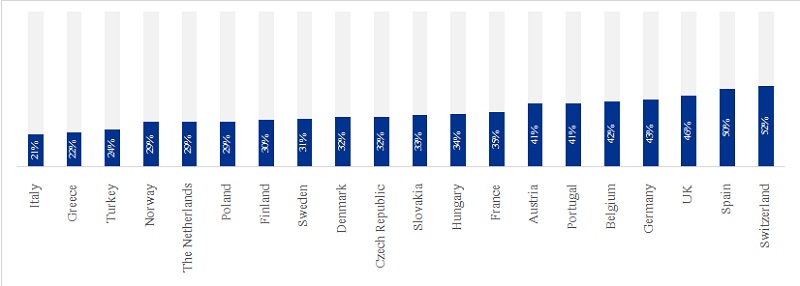
The Rise of Private Label Brands
Private Label vs. Branded Products: Pros and Cons | Sourcify When you purchase your products from a manufacturer and then put your logo on them before you sell, you have a private label. Doing business this way can lower product unit costs and lead to higher profit margins. Another great upside of using a manufacturer is that you can determine the quality and exact specifications of your products.
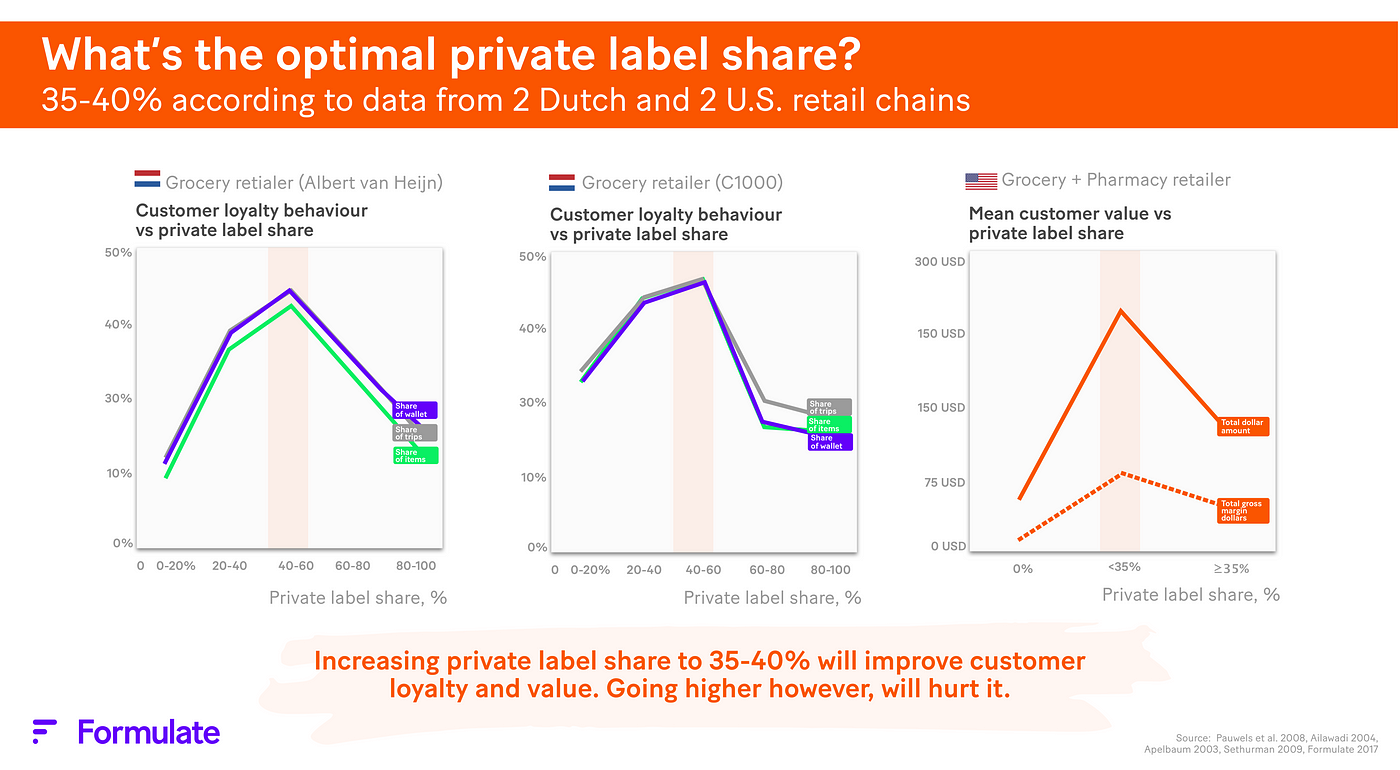
What is the optimal share of private label brands vs national ...
Private Label Pricing Analysis: Private Label vs National Brands - CMKG.ORG Insights on Private Label Pricing Strategy: On week 4, Private Label was priced $1.51 higher than the National Brand equivalent, and this week ranked 49th out of 52 weeks in both $ sales and profit for Private Label. On the same week, the National Brand product has its 5 th top ranked week in $ and 2 nd in profit, ultimately resulting in week 4 ...

Report: Private-Label Foods Often Meet, Eclipse National ...
The Pros and Cons of Going 'Private Label' vs. Selling ... - Sourcify When you purchase your products from a manufacturer and then put your logo on them before you sell, you have a private label. Doing business this way can lower product unit costs and lead to higher profit margins. Another great upside of using a manufacturer is that you can determine the quality and exact specifications of your products.
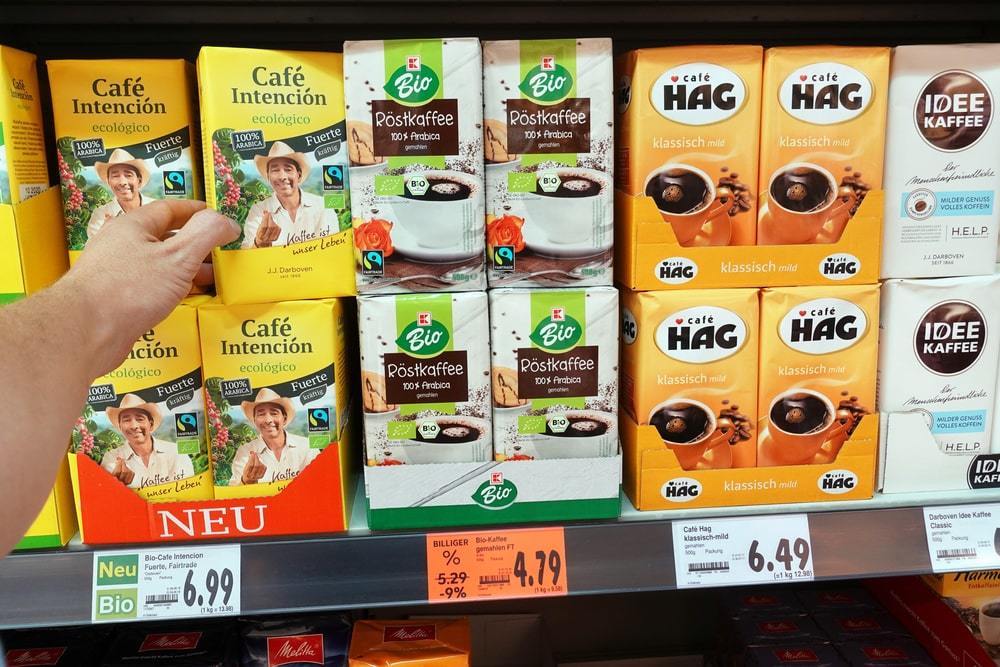
Top Private Label Food Manufacturers and Companies in the USA ...
White Label vs Private Label - What's the Difference? - THAT! Company In a private label relationship, the buyer specifies the design, parts, ingredients, or offerings. In a white label relationship, while the provider or manufacturer may offer a range of customizations to fit specific needs, they specify the design, parts, ingredients, or offerings. Sound confusing, it's not.

Infographics : The Hartman Group
What is Private Labeling? [Definition, Pros, Cons & More] - Ecommerce CEO The long-standing brand names have advantages over your private brand. You'll find them in a broader range of stores - whereas your private label lines will only be on your shelves. Plus, a national brand or intentional brand will always have a bigger marketing and promotion budget. Minimum Order Quantity (MOQ)

Premium Products Gaining Share in Private Label Market ...
Private Label vs. National Brands | Catalina Meanwhile, the cookie category experienced a 66% decline in new product introductions for Private Brands vs. a 57% decrease for national brands in 2020, compared to 2019. But in 2021, new product introductions for private brands shot up by 60% while national brands declined by 22%.
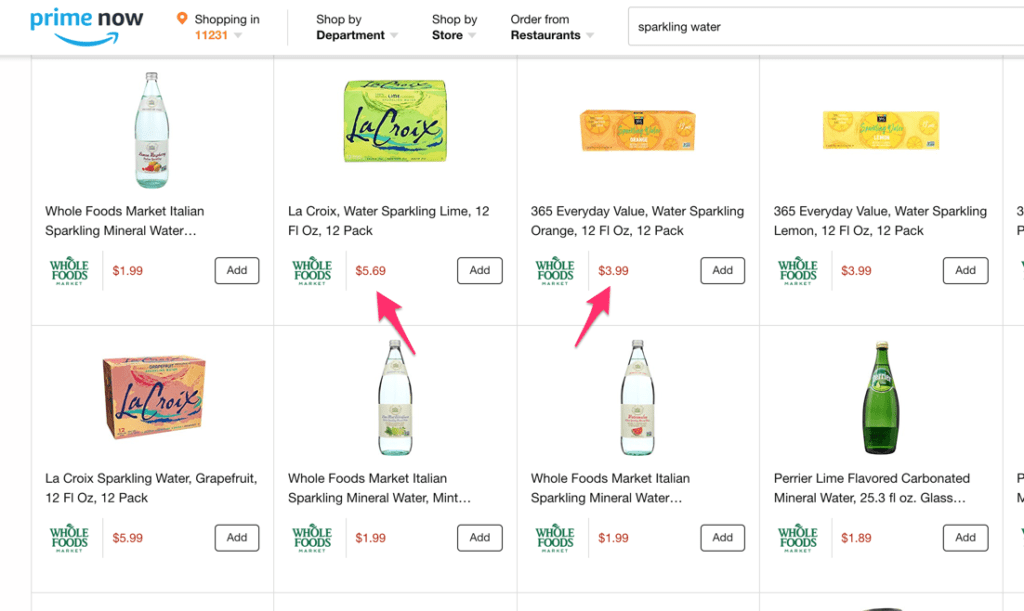
How The Rise Of Private Labels Is Transforming CPG And Retail
Private Label vs Co Branded Credit Cards: What Is The Difference? A Co-branded credit card is a credit card that a retailer issues within a specific network. Unlike a private label credit card that can only be used by one retailer consumer, you can use the co-branded credit card at any location as long as they're within the network of affiliates. Therefore, users can use the co-branded credit card to earn ...

Target CEO reports consumers shifting to private label brands ...
Private Label : Definition, Example, Pros & Cons | Retail Dogma The main difference between private label vs white label lies in the product development. If you have developed the product yourself, even if it resembles other products, but you have added some additional functionality or different design elements, this is private label.
Best Private Label Products For Small Business 2021
The battle for brands in a world of private labels Furthermore, Costco Wholesale Corporation, a U.S.-based warehouse club operator, has blurred the line between national brands and private labels using premium offerings and co-branding strategies with the likes of Starbucks, Quaker Oats and Tyson. 11 Surprisingly, both consumer product and retail executives tend to believe that co-branding ...
Private Label Branding Versus National Brands | Free Essay ...

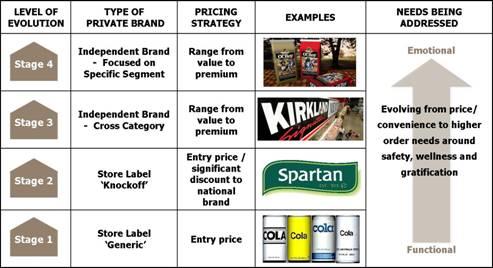
Private Label Evolution: The Rise of Premium Private Label ...
Brands vs private labels
Amazon's CPG Business: Will Private Labels or Exclusive ...
Private Label Products: Are They National Brand Killers?
Private brands outpace national counterparts in new products ...
How retailers can turn private labels into powerhouse brands ...
4 Benefits of Private Labeling for Your Brand — Century Label

On private labels and in-house brands – beastoftraal.com

National Retail Trend: Creating Your Own Brand of OTC Products

Only 4 in 10 Believe Name Brand Products Are Better Quality ...
Revealed: How Amazon uses third-party seller data to build a private label juggernaut

Shoppers Continue to Spend on Private Label Products, but ...
Brands vs private labels
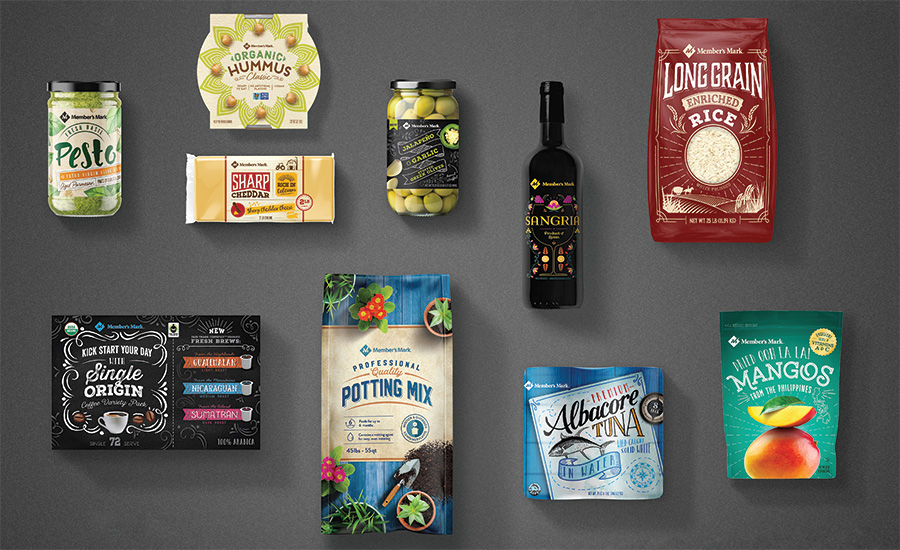
The Path to Private Label Innovation | 2019-12-09 | Packaging ...
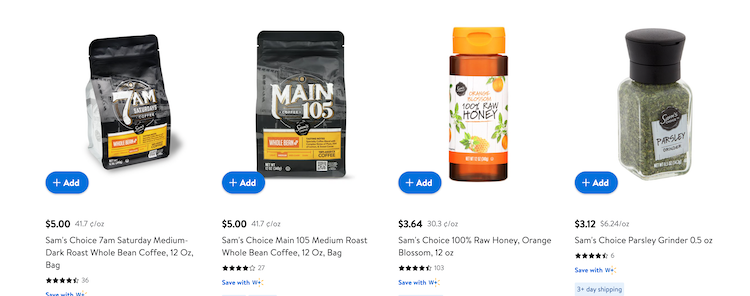
Walmart Private Label: List of 2022 Brands & Tips for Sellers ...

Amazon Exclusive Brands vs. Amazon Private Label Brands - Macarta
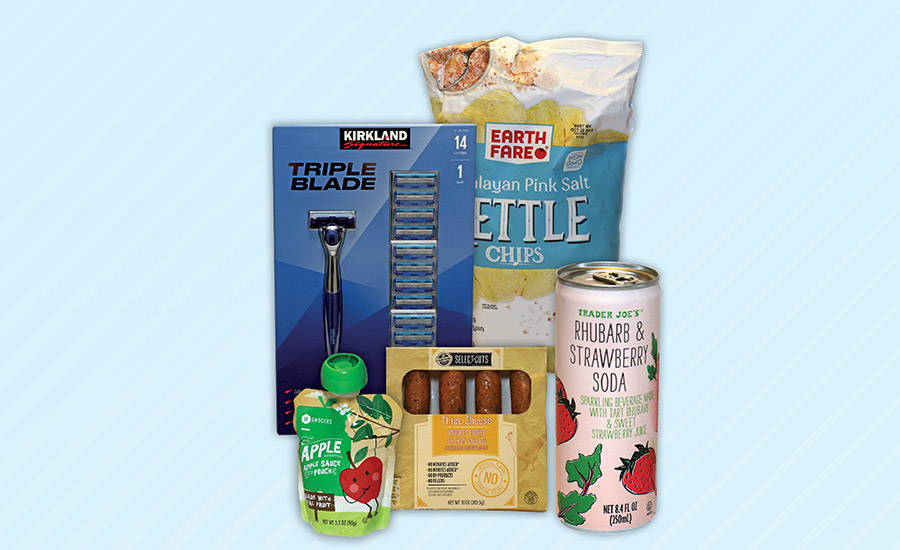
The Truth About Private Label Brands | 2018-12-11 | Packaging ...

CVS Brands Expands with New Private Labels

2019 Best-Selling Brands: Private Label Edition | Numerator
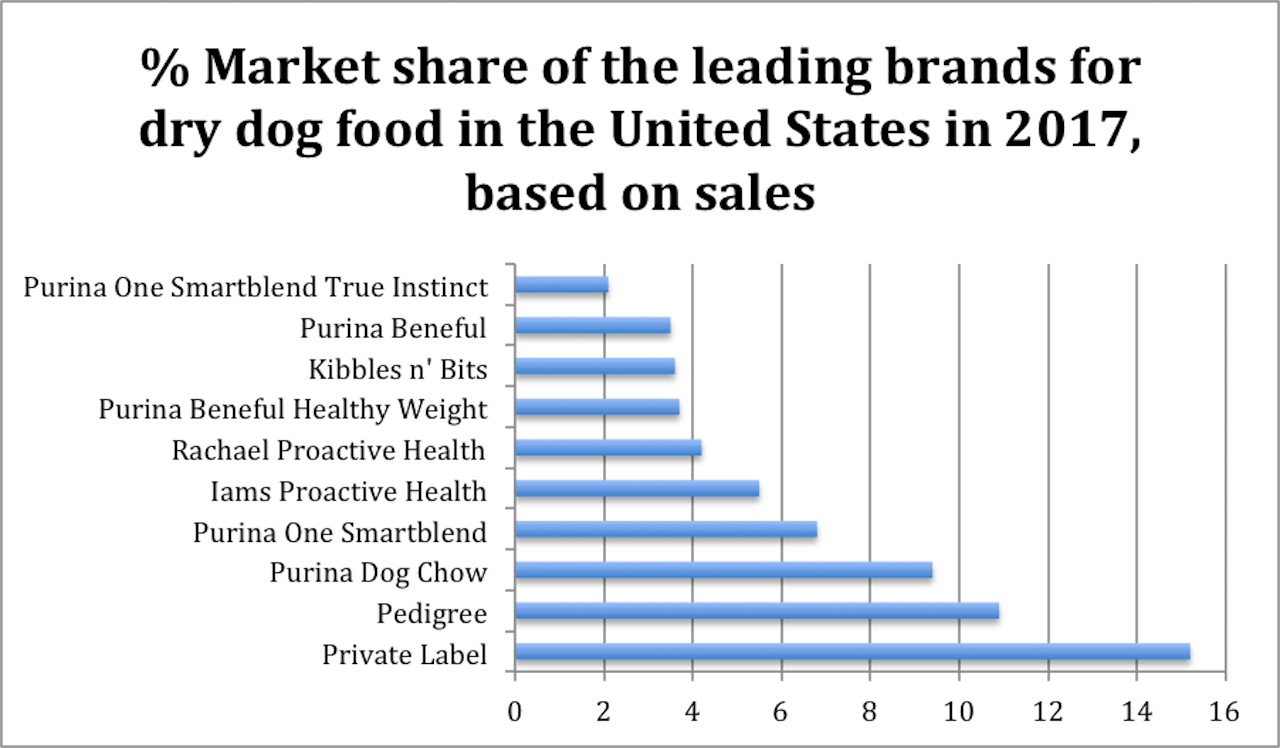
How The Rise Of Private Labels Is Transforming CPG And Retail
The Complete Guide to Amazon's Private Label Brands | Pattern
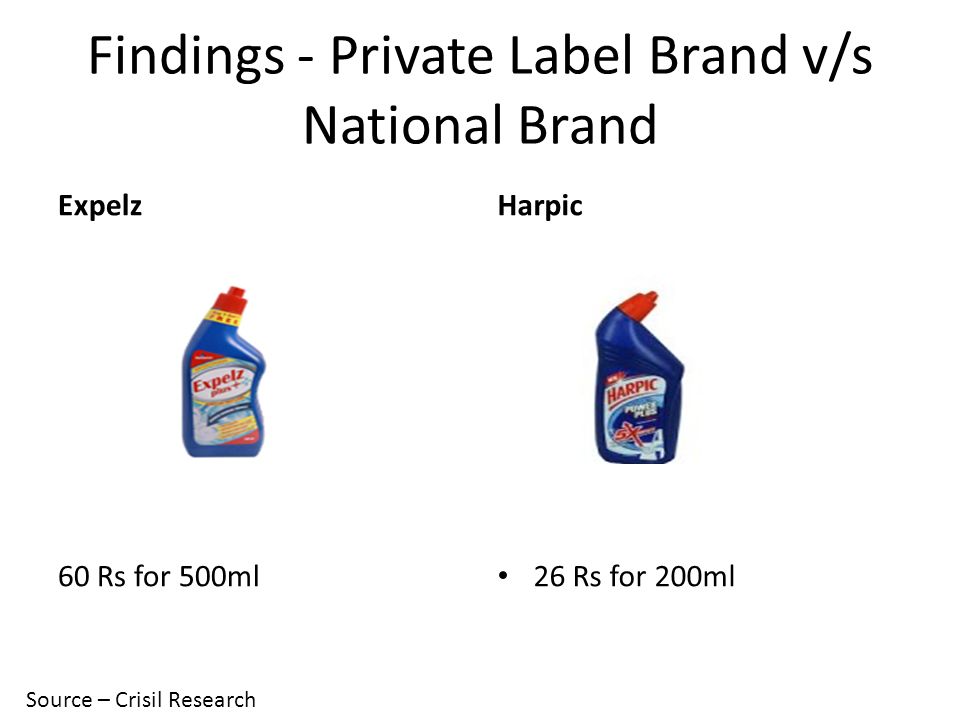
Presentation on A Study of Private Label Brands - ppt video ...

Amazon's Private Label Brands | The Complete List

Blog : The Hartman Group

White Label vs Private Label | What Is Private Label?
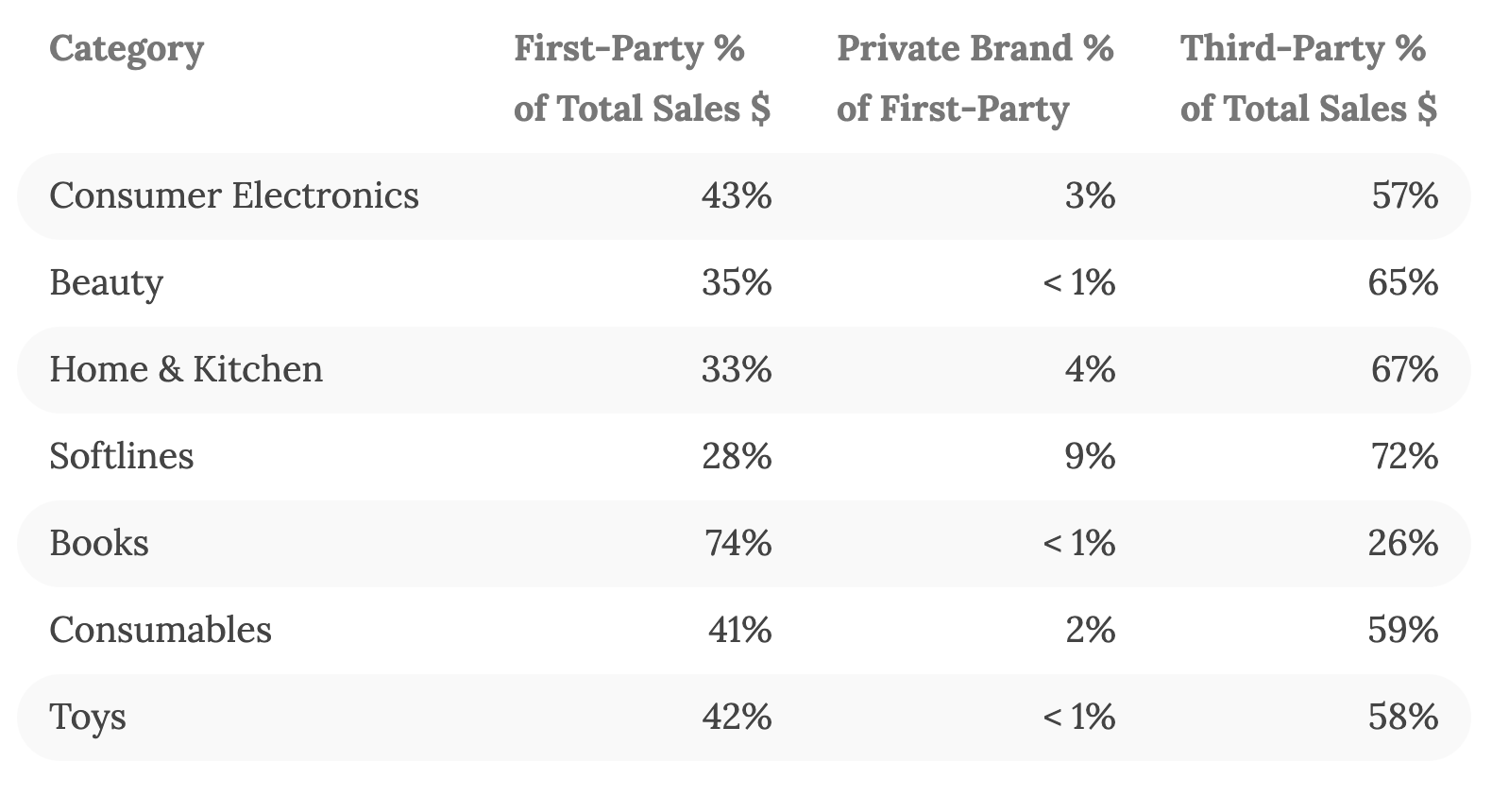
The Complete Guide to Amazon's Private Label Brands | Pattern
Spotlight: Private Label Brands 2022 - Insider Intelligence ...

Why Private Label Brands Matter | Fisher
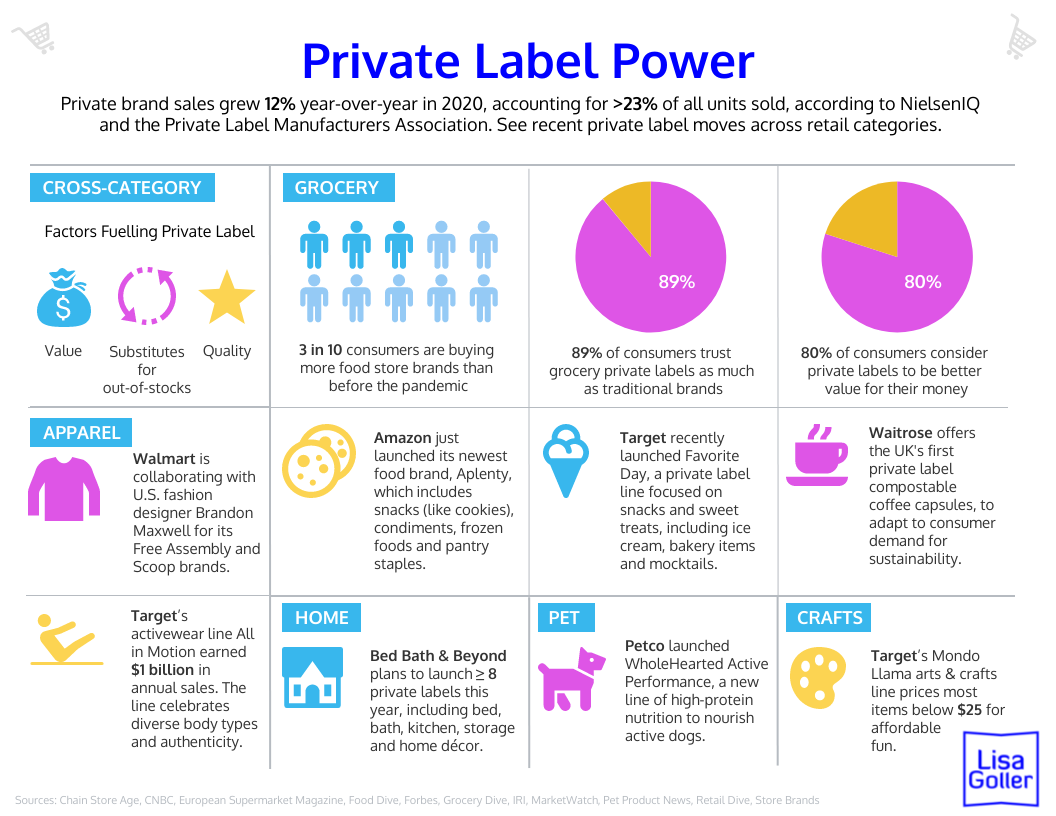
Private Label Power – Lisa Goller Marketing | B2B content for ...
Private Label vs Brands: latest trends and developments ...

How to brand your private labels - ScienceDirect
Post a Comment for "44 private labels vs brands"